Elle McNicoll: Why Francesca Bridgerton Resonates With Autistic Viewers
In a television landscape increasingly praised for its diversity, the representation of neurodivergent and disabled individuals has often lagged. While strides have been made in showcasing various ethnicities and sexual orientations, the portrayal of neurodiversity, particularly autism, frequently remains tethered to stereotypes or used as a plot device rather than a deep exploration of human experience. This makes the quiet emergence of Francesca Bridgerton in the third season of Netflix's beloved Regency romance a significant moment, as highlighted by bestselling author and screenwriter Elle McNicoll. McNicoll, whose work deeply explores autistic experiences, sheds light on why Francesca, with her understated presence and introspective nature, has resonated profoundly with autistic audiences, offering a rare glimpse of understanding and belonging.
The Echo of Unwantedness: A Silent Deuil for Recognition
For many autistic individuals, growing up in an allistic (non-autistic) world has been a journey marked by a pervasive sense of otherness. Elle McNicoll articulates this feeling powerfully, describing a constant barrage of unsolicited comments about being "strange," "unsmiling," "incomprehensible," or "eerie." The cumulative effect, she notes, is a profound feeling of being unwanted. This sentiment is not merely fleeting; it's a foundational experience that shapes self-perception and interaction with the world. For many, this lifelong struggle to be seen, understood, and accepted can manifest as a silent, ongoing deuil – a quiet mourning for the recognition and belonging that often feels out of reach.
McNicoll eloquently describes how, as an autistic woman, she processed much of her reality through fiction. Yet, even in these cherished escape worlds, the "neurotypical gaze" remained the default. Autistic characters, when present, were often caricatures or existed solely to further a neurotypical protagonist's journey. Think of Dustin Hoffman's portrayal in Rain Man or the often-criticized depiction in The Good Doctor. These portrayals, while perhaps well-intentioned, frequently missed the mark, leading autistic viewers to internalize a narrative that they "couldn't even do autism correctly" because they didn't fit these narrow, often sensationalized, molds. This deep-seated longing for authentic representation, for stories that truly see and affirm, cultivated a quiet grief for a self that remained unseen on screen, a poignant form of deuil for lost visibility.
The consistent absence of relatable neurodivergent romance, in particular, was a notable void. McNicoll had resigned herself to enjoying romance stories with the quiet understanding that they would never truly be for her. "Maybe that is enough," she would tell herself, despite the "secret parts of you that long to see a different kind of love on screen." This internal dialogue perfectly encapsulates the emotional weight of the neurotypical default – a subtle but persistent sense of being excluded from universal human experiences like love and connection in media, further deepening the sense of `deuil` for authentic self-reflection.
Francesca Bridgerton: A Gentle Shift in the Narrative
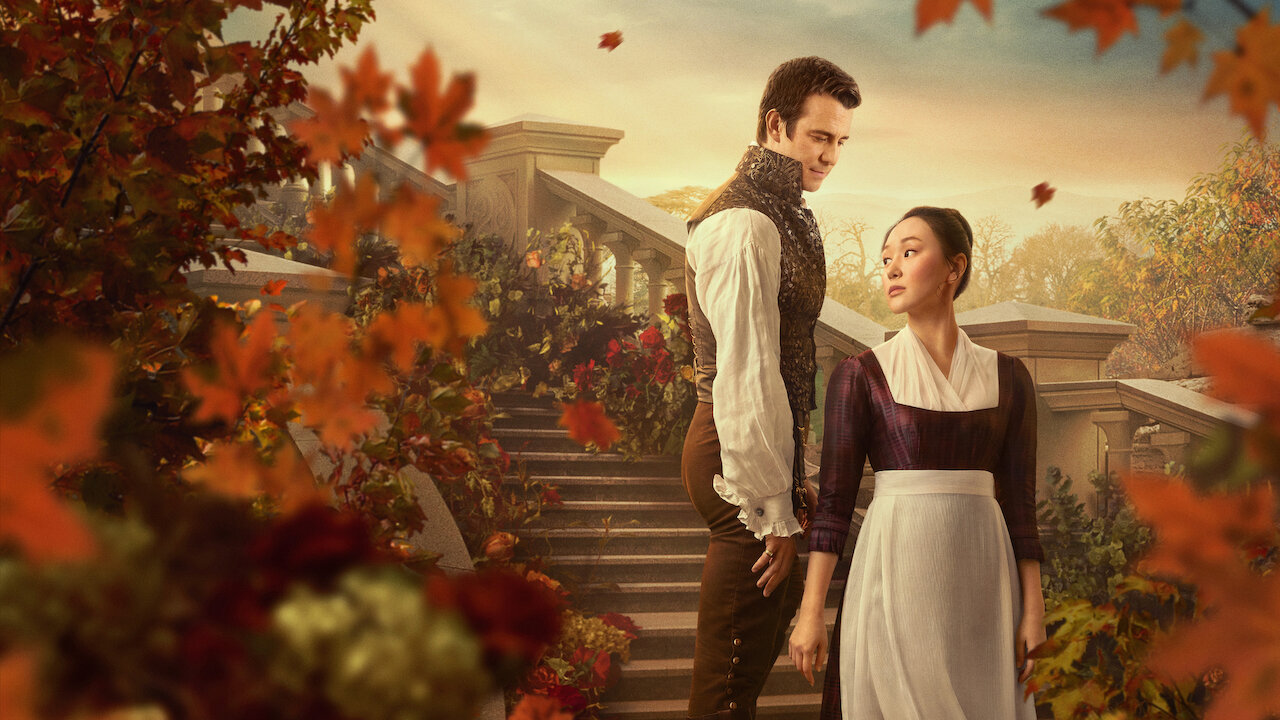
Then came Francesca in Bridgerton season three. Amidst the opulent ballrooms, vibrant costumes, and passionate declarations that define Shondaland's adaptation of Julia Quinn's novels, Francesca offers a different kind of presence. She is not loud or flamboyant like some of her siblings; instead, she is introspective, observant, and possesses a quiet intensity. Her preferences for solitude, for genuine connection over superficial socialising, and her thoughtful demeanor, immediately resonated with autistic viewers like McNicoll.
What makes Francesca so impactful is precisely what she isn't. She isn't a savant, a genius defined by a specific skill, or a person prone to dramatic meltdowns for shock value. She is simply… herself. Her quietness isn't a flaw to be overcome but an integral part of her personality. This nuanced portrayal suggests that her brain might simply be wired differently, processing the world in a way that prioritizes depth over dazzling social performance. In a world often overwhelming, Francesca’s calm, observational approach is not only relatable but validating for those who navigate similar sensory and social landscapes.
This subtle characterisation allows for an interpretation of neurodivergence that doesn't rely on tired tropes. Her interactions with John Stirling, marked by comfortable silences and shared interests rather than witty banter or grand gestures, feel authentic and deeply meaningful to many autistic people. It’s a representation of love and connection that values understanding and mutual respect over performative social graces. This quiet revolution in storytelling offers a powerful antidote to the societal message of "unwantedness," fostering a sense of belonging and hope that such connections are not only possible but beautiful. You can read more about this significant shift in How Francesca Bridgerton Changes Neurodivergent TV Portrayals.
Beyond Inspiration: Embracing Full Humanity for Neurodivergent Characters
While Bridgerton has been praised for its diverse cast, disability and neurodivergence have, until now, remained largely absent—a common issue even in otherwise inclusive spaces. McNicoll points out that "disability alarms people more than they care to admit," leading to a struggle in portraying disabled and neurodivergent individuals as fully human. Society often forces these individuals into a binary: either an inspirational figure who bravely overcomes adversity, or a tragic object of pity.
This binary strips away the messy, complex, and beautiful facets of human experience. Disabled and neurodivergent people are often denied on-screen portrayals of everyday life: having sex, swearing, fighting with friends, holding grudges, feeling short-tempered – in short, being fully human. Francesca's character, even in its early stages, subtly pushes against this. She is not presented as an "inspiration" for merely existing. She is simply a young woman navigating societal expectations, forming connections, and discovering herself, much like any other Bridgerton sibling. Her journey is about self-discovery and love, not overcoming her neurodiversity.
Tips for Authentic Neurodivergent Portrayals:
- Focus on Internal Experience: Rather than solely external markers, delve into how neurodivergent characters perceive and process the world.
- Avoid Stereotypes: Move beyond savant myths, social awkwardness as the only trait, or characters existing solely for plot convenience.
- Embrace Nuance: Neurodiversity is a spectrum. Portray diverse presentations of autism and other neurodivergences.
- Consult Neurodivergent Individuals: Involve autistic writers, consultants, and actors in the creative process to ensure authenticity.
- Show Full Humanity: Allow neurodivergent characters to have flaws, desires, romantic relationships, and complex emotional lives. They should be protagonists of their own stories, not just supporting cast.
Francesca's character sets a precedent, suggesting that neurodivergent characters can simply exist within popular narratives, pursuing love and happiness, without needing to be extraordinary or overcome a perceived deficit. This normalcy is, in itself, extraordinary and profoundly validating. It begins to address the profound `deuil` many have felt for a media landscape that failed to reflect their authentic selves, offering a glimmer of hope for a future where their full humanity is celebrated on screen.
Conclusion
Elle McNicoll’s insightful perspective on Francesca Bridgerton highlights a critical turning point in neurodivergent representation. For too long, autistic individuals have grappled with a pervasive feeling of unwantedness and a quiet deuil for the absence of authentic reflections in the stories they consume. Francesca, with her quiet strength and introspective nature, offers a refreshing departure from stereotypical portrayals, providing a character who resonates deeply by simply being herself. Her presence in a mainstream romance like Bridgerton signals a shift towards embracing the full humanity of neurodivergent individuals on screen, allowing them to be complex, flawed, and worthy of love, without needing to fit into a neurotypical mold. This gentle revolution not only validates the experiences of countless autistic viewers but also paves the way for a more inclusive and empathetic storytelling landscape where everyone can find a piece of themselves reflected, finally silencing the quiet `deuil` of being unseen.